Mar. 05, 2026
Inflatable water sports equipment has gained immense popularity over the past decade, significantly transforming leisure activities on lakes, rivers, and oceans. As outdoor enthusiasts search for versatile, portable, and easy-to-use gear, inflatable water sports have become the go-to solution for families, adventurers, and sports enthusiasts. These products include inflatable paddleboards, kayaks, and boats, designed to enhance water experiences while being easy to transport and store. Addressing concerns about performance, durability, and safety, inflatable water sports gear enables users to enjoy various activities without the hassle of traditional hard-shell equipment.
Inflatable water sports equipment refers to various inflatable devices, such as boats, paddleboards, and kayaks, constructed from materials like PVC or Hypalon. These items can be inflated to provide buoyancy and stability while allowing for easy deflation and compact storage. PVC (Polyvinyl Chloride) is the most commonly used material, known for its cost-effectiveness and sufficient durability for recreational use. Hypalon, on the other hand, is a synthetic rubber recognized for its ruggedness and resistance to UV light, making it suitable for harsher marine conditions. Both materials play a crucial role in the performance and lifespan of inflatable water sports equipment.
Inflatable water sports equipment is utilized in numerous scenarios, including:
These applications highlight the versatility of inflatable water sports gear, making it an essential asset for any water activity.
The emergence of inflatable water sports equipment has introduced several advantages that contribute to its growing popularity:
Portability: Inflatable equipment can be deflated and packed into a small carry bag. For instance, an inflatable kayak can weigh as little as 25 pounds, compared to traditional kayaks which may weigh over 60 pounds.
Space-Saving: These products can be stored in compact spaces. Research indicates that 80% of users prefer inflatable gear because it takes up less than 25% of the storage space required by hard-shell vessels.
Affordability: Often, inflatable water sports gear is significantly more cost-effective, with prices generally ranging from $299 to $999, while comparable hard-shell models can exceed $1,500.
Ease of Use: Inflatable gear can typically be inflated using a pump in 5 to 10 minutes, compared to the much longer setup times for hard-shell equipment.
Understanding these advantages allows users to appreciate the significance of these products in enhancing their water-related experiences.
For those interested in purchasing inflatable water sports equipment, it is advisable to consult user guides and instructional videos. Familiarizing yourself with assembly, care, and maintenance instructions ensures a positive experience with your gear. Brands like Oner Outdoors offer an extensive range of inflatable water sports products, making it easier to find the perfect fit for your adventure.
Q: Is PVC or Hypalon better for inflatable water sports equipment?
A: The choice between PVC and Hypalon depends on your specific needs. PVC is suitable for casual use and is more affordable, while Hypalon offers superior durability and UV resistance for intense or prolonged use in harsh conditions.
Q: How long does it take to inflate an inflatable kayak?
A: It generally takes about 5 to 10 minutes to inflate an inflatable kayak with an electric or manual pump, depending on the model and pump efficiency.
Q: Can inflatable water sports equipment be used in ocean waters?
A: Yes, many inflatable kayaks and paddleboards are designed for ocean use, especially those made from Hypalon. Always ensure your equipment is rated for the conditions you plan to explore.
To deepen your knowledge of inflatable water sports equipment, consider taking a trial lesson in a local rental shop or subscribing to newsletters from brands like Oner Outdoors. Engaging with these resources will enhance your understanding and enjoyment of inflatable water sports.
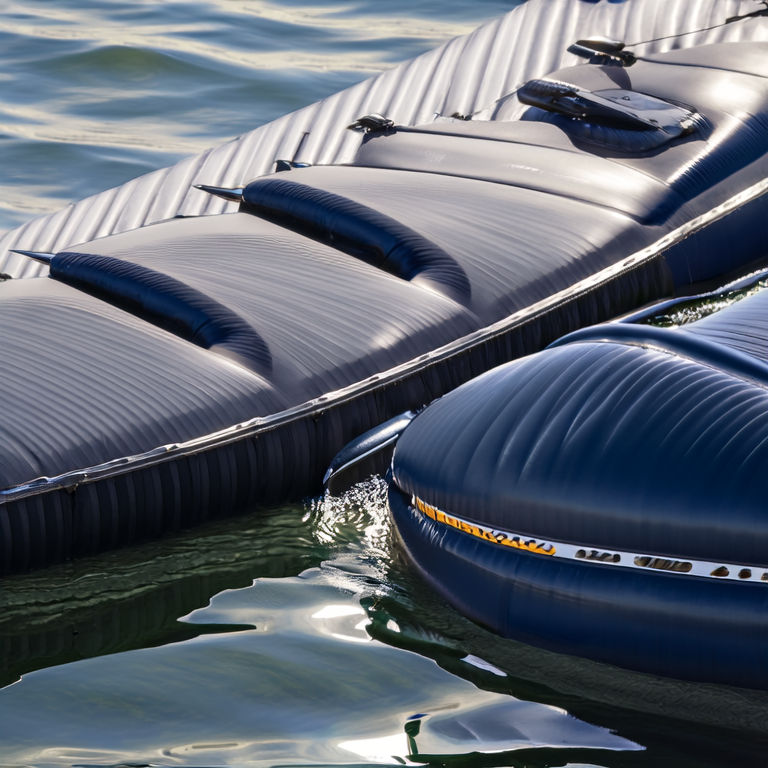
Explore the great outdoors with inflatable water sports equipment today, and make every adventure an unforgettable experience!
Navigation
Navigation
Product Categories
Product Categories
Contact Us
Tel.: +86 177 4201 0328
E-mail: sarah@onerboard.com
Add.: West of Qingdao Road, Weihai Economic and Technological Development Zone, Shandong Province
Get in Touch
Get in Touch


