Mar. 06, 2026
In recent years, inflatable water sports equipment has gained immense popularity among outdoor enthusiasts and families alike. This surge can be attributed to the increasing demand for fun and safe aquatic activities that cater to all age groups. With innovations in materials and design, inflatable water sports gear offers unparalleled convenience, easy transportability, and superior performance on the water. Notably, participants can enjoy these activities without the need for extensive training or deep knowledge, making it approachable for both casual and seasoned athletes. As we delve deeper into the world of inflatable water sports, we’ll explore how thickness, buoyancy, and durability combine to create fantastic products for summer fun.
Inflatable water sports equipment refers to gear designed for recreational and sporting activities in aquatic environments, including inflatable paddle boards, kayaks, and water mats. These items are constructed from durable materials, often PVC or drop-stitch fabric, which provide strength while remaining lightweight. The industry has seen tremendous growth, with the inflatable paddle board market projected to reach USD 1.5 billion by 2026, according to a study by research firm MarketsandMarkets. Understanding the materials and design used in inflatable water sports equipment not only helps consumers choose the right products but also enhances their overall experience on the water.
Inflatable water sports equipment can be utilized in a variety of settings, making it a versatile choice for outdoor enthusiasts. Common applications include:
Choosing inflatable water sports equipment offers several significant advantages:
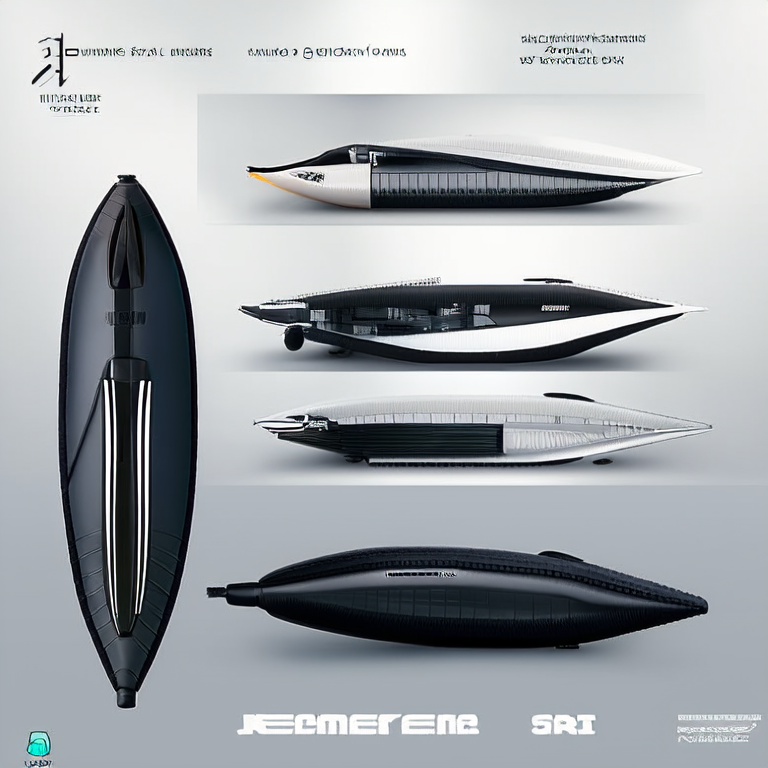
To make the most out of inflatable water sports, it’s essential to understand the specifics of your gear. Before heading out, consult the user guide that accompanies your equipment. Pay attention to recommended inflation thickness, as this can significantly impact performance; for instance, most inflatable paddle boards recommend maintaining a thickness of 4-6 inches to ensure optimal buoyancy and stability. Remember that each piece of gear may have different specifications, so familiarizing yourself ensures a fun and safe experience.
Q: How thick should inflatable water sports equipment be?
A: Most high-quality inflatable paddle boards and kayaks range between 4-6 inches in thickness. This provides adequate buoyancy without sacrificing stability.
Q: Can inflatable equipment handle rough waters?
A: While many inflatable products are designed for versatility, it's essential to check their specifications. Some are made specifically for calm waters, while others are built to withstand more challenging conditions.
Q: How do I care for inflatable water sports equipment?
A: Always rinse your gear after use to prevent deterioration from saltwater or chlorine. Store it in a cool, dry place when not in use to prolong its lifespan.
For those looking to dive deeper into the world of inflatable water sports, brands like Oner Outdoors offer a range of high-quality products that cater to all skill levels. Trial these items and experience firsthand the freedom and excitement that inflatable water sports bring to your summer outings.
By staying informed and understanding the nuances of inflatable water sports equipment, you can maximize both safety and enjoyment while engaging in these thrilling aquatic activities.
Navigation
Navigation
Product Categories
Product Categories
Contact Us
Tel.: +86 177 4201 0328
E-mail: sarah@onerboard.com
Add.: West of Qingdao Road, Weihai Economic and Technological Development Zone, Shandong Province
Get in Touch
Get in Touch


