Mar. 06, 2026
In recent years, inflatable water sports equipment has surged in popularity, becoming a mainstay for outdoor enthusiasts and casual beachgoers alike. This innovative gear caters to various water activities, such as kayaking, paddleboarding, and even fun inflatable rides. Key pain points for users include the portability and storage of traditional equipment, which can be cumbersome and heavy. Inflatable options, on the other hand, solve these issues by providing lightweight, easy-to-store alternatives that facilitate spontaneous adventures on the water. The convenience of inflatable water sports equipment is transforming how we experience aquatic fun.
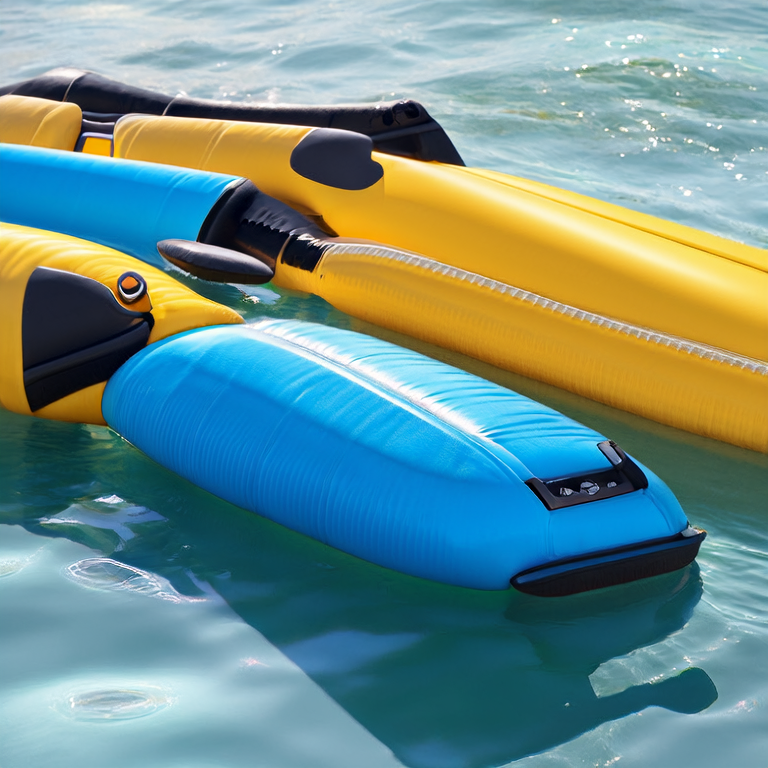
Inflatable water sports equipment includes various items like inflatable kayaks, paddleboards, and tubes, which are designed to be filled with air, making them lightweight and portable. According to the National Marine Manufacturers Association (NMMA), the adoption of inflatable designs has increased by over 150% in recent years as they offer solutions that traditional watercraft struggle to address. The term "inflatable" refers to the method by which these items are constructed, utilizing materials such as PVC and nylon reinforced with multiple layers for durability. This design lends itself to a broad range of applications depending on the activity and user preference.
Inflatable water sports equipment finds its applications in various fields, appealing to a diverse audience. Here are a few notable scenarios:
Recreational Boating: Families and friends use inflatable kayaks and paddleboards for leisurely outings on calm lakes or rivers.
Adventure Activities: Enthusiasts engage in extreme sports, such as white-water rafting, using inflatable rafts that are specifically designed for agility and durability.
Beach Fun: Joyrides on inflatable tubes and loungers cater to those looking to soak in the sun while remaining buoyant in the water.
Travel and Exploration: Recreational users appreciate the convenience of packing inflatable equipment for trips, giving them the flexibility to explore new water destinations without the hassle of transporting traditional gear.
By adapting to these diverse applications, inflatable water sports equipment has solidified its importance in both fun and functional categories.
The appeal of inflatable water sports equipment can be attributed to several advantages:
Portability: Traditional watercraft can weigh over 60 pounds and occupy significant storage space. In contrast, inflatable kayaks usually weigh around 20-30 pounds, which is notably lighter and can be rolled up for easy carrying.
Storage Efficiency: When deflated, these items can be folded into compact sizes, making them perfect for individuals with limited storage options, such as apartment dwellers. Research shows that they can be stored in areas as small as a standard-sized suitcase, maximizing utility in tight spaces.
Affordability: The average cost of inflatable water sports equipment is generally lower than that of its rigid counterparts. Reports indicate that inflatable kayaks can be found at prices ranging from $300 to $800, whereas traditional kayaks can exceed $1,500.
Durability: Technological advancements have led to the creation of robust materials that resist punctures and abrasions. Many inflatable kayaks and paddleboards now feature reinforced seams and materials that offer high resilience against everyday wear and tear.
Understanding these advantages is crucial for anyone considering engaging in water sports, as they significantly enhance the overall experience.
If you're interested in diving deeper into the world of inflatable water sports equipment, we recommend starting with a user guide specific to your equipment type. Familiarizing yourself with care instructions, safety measures, and storage tips will optimize your experience. Exploring brands like Oner Outdoors can also provide reliable options tailored to your needs.
1. Does inflatable equipment lose air during use? Inflatable equipment is designed to resist air loss during use. However, it’s important to ensure that the valves are secure and check for any punctures before embarking on your activities. Regular maintenance and inspection can prevent unwanted air loss.
2. How long does it take to inflate an inflatable kayak? Most modern inflatable kayaks can be inflated in approximately 5 to 10 minutes with the help of a pump. Advanced electric pumps can reduce inflation time even further.
3. Can I use inflatable equipment in open water or only calm areas? Many inflatable water sports items are made for both calm and more challenging open waters, depending on the manufacturer’s specifications. Always check the product guidelines to ensure it's suitable for your intended use.
4. Are inflatable kayaks safe for beginners? Yes, inflatable kayaks are often designed with stability features that facilitate ease of use for beginners while allowing greater maneuverability as skills improve.
By understanding the landscapes of inflatable water sports equipment, users can make informed decisions that elevate their water experiences significantly. Embrace the convenience of inflatable gear and explore all that it has to offer!
Navigation
Navigation
Product Categories
Product Categories
Contact Us
Tel.: +86 177 4201 0328
E-mail: sarah@onerboard.com
Add.: West of Qingdao Road, Weihai Economic and Technological Development Zone, Shandong Province
Get in Touch
Get in Touch


